Latest UK ISP Reviews
 |
AAISP (alphasixtyfive) | Broadband Fixed Line | By: alphasixtyfive | 
|
|
AAISP (Northumberland) | Broadband Fixed Line | By: Northumberland |
|
 |
uno (ABob) | Broadband Fixed Line | By: ABob |
|
View: Top 10 ISPs | Review Your ISP
See our '
Best UK Broadband ISPs for 2024
' guide for help choosing an ISP.Most Popular UK ISP News








Cheapest Big ISPs for 100Mbps+


Latest UK ISP and Telecoms News
17th Apr 2024 (2 Comments)
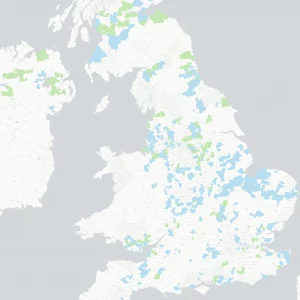
Network operator nexfibre, which shares the same parentage as Virgin Media (VMO2), has this morning announced that they’ve extended their new 10Gbps capable Fibre-to-the-Premises (FTTP / XGS-PON) broadband ISP network to cover 1 million UK premises passed (Ready for Service), which is up from 800k in December 2023.

17th Apr 2024 (2 Comments)

17th Apr 2024 (0 Comments)
Rural UK ISP Wessex Internet, which is rolling out a full fibre gigabit broadband network across isolated parts of Dorset, Wiltshire, Hampshire and Somerset in England, has celebrated after they won the Rural Enterprise category for the South West region of the 2024 Countryside Alliance Awards.

16th Apr 2024 (5 Comments)
The UK telecoms and media regulator, Ofcom, has today issued several updates to their planned auction design for releasing a large chunk of millimetre wave (mmW) radio spectrum frequency in the 26GHz and 40GHz bands, which will be used by mobile operators to deliver faster 5G (mobile broadband) services – mostly in urban areas.

16th Apr 2024 (13 Comments)
The UK Government’s Chancellor of the Exchequer and local MP, Jeremy Hunt, has visited and praised the Broadband for Surrey Hills (B4SH) project for having worked with volunteers to help bring full fibre (FTTP) gigabit broadband to nearly 1,000 premises in a remote rural area of Surrey (England).

16th Apr 2024 (8 Comments)
The wholesale division of Virgin Media O2 Business (VMO2), which supplies other UK broadband ISPs and network operators with connectivity services, has today informed their partners that they will not be raising prices for new business or existing services across all products throughout 2024.

16th Apr 2024 (8 Comments)
Mobile network operator O2 (VMO2) has begun harnessing SpaceX’s global network of Starlink ultrafast broadband satellites in Low Earth Orbit (LEO), which are being used to help provide mobile backhaul (data) capacity to boost mobile services in some of the United Kingdom’s remotest locations (e.g. sites in the Scottish Highlands).

16th Apr 2024 (33 Comments)
Mobile network analyst firm Streetwave and the Northumberland County Council (NCC) in England have released the findings of an interesting study that monitored the effects of Vodafone’s recent 3G switch-off in the region. The study found this resulted in a small to modest boost in 4G/5G coverage and mobile broadband performance.
15th Apr 2024 (14 Comments)
New data from Ookla‘s popular broadband connection testing service, Speedtest.net, has revealed how well Samsung’s Galaxy S24, S23 and S22 family perform for 5G based UK mobile broadband speeds vs Apple’s latest iPhone 15 family. Overall, the S24 comes out as the fastest, but experiences may vary.

15th Apr 2024 (0 Comments)
Equitix-backed network operator Freedom Fibre, which has already deployed their full fibre (FTTP) broadband ISP network to cover 300,000 UK premises and aspires to cover 2 million premises, has today announced that they’ve secured their fifth ISO certification with ISO9001 for quality management standards.

15th Apr 2024 (14 Comments)
The UK telecoms, internet and media regulator, Ofcom, has recently increased the payment amounts issued to consumers under their automatic compensation system, which requires some broadband ISPs to compensate customers (cash or bill credits) for internet connectivity mishaps and installation delays.

15th Apr 2024 (20 Comments)
Industry sources have indicated to ISPreview that two prominent alternative network operators, Netomnia (YouFibre) and Brsk, both of which have deployed a significant amount of Fibre-to-the-Premises (FTTP) broadband infrastructure to cover UK homes and businesses, could be set to merge their networks in the near future.
12th Apr 2024 (19 Comments)
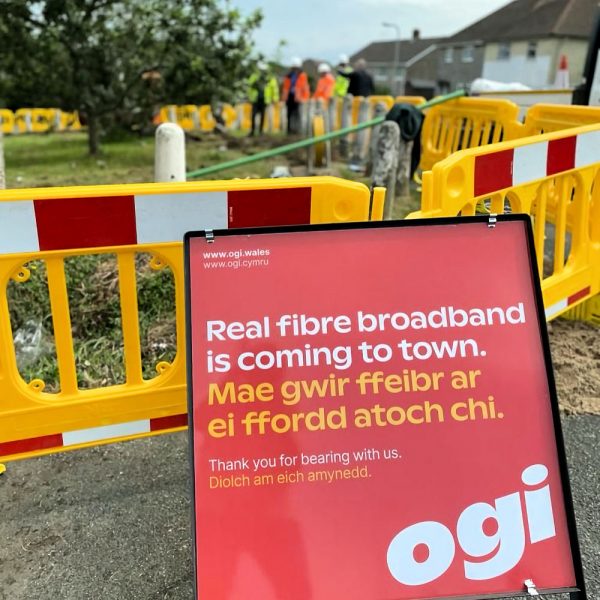
Welsh internet provider Ogi, which is building a multi-Gigabit capable Fibre-to-the-Premises (FTTP) network for homes and businesses across South Wales, has today published an interesting visualisation of their optical backhaul network that shows all the key fibre links and distances between their key locations (Points of Presence).
12th Apr 2024 (35 Comments)
Some of Sky Mobile’s customers are continuing to experience connectivity (calls and data) problems today after the operator suffered a large disruption to 3G, 4G and 5G services yesterday afternoon, which Sky initially claimed to have fixed. The remaining issue seems to only be impacting data (mobile broadband) connectivity and not calling.
12th Apr 2024 (15 Comments)
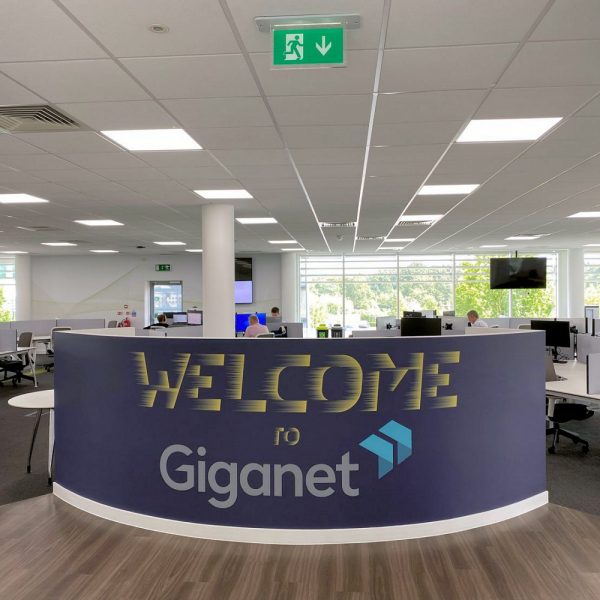
Internet provider Cuckoo has confirmed that, starting from today, new customers in CityFibre’s full fibre (FTTP) broadband areas that may be looking to sign-up online with UK ISP Giganet will instead be diverted to Cuckoo. The move forms part of Fern Trading‘s (Octopus Investments) ongoing network consolidated efforts.

11th Apr 2024 (19 Comments)
The boss of full fibre broadband operator Netomnia and ISP YouFibre, Jeremy Chelot, has today been voted as the Network Representative for the Board of the One Touch Switching Company, which is responsible for implementing Ofcom’s OTS (One Touch Switch) solution for faster consumer switching between UK ISPs.

11th Apr 2024 (32 Comments)
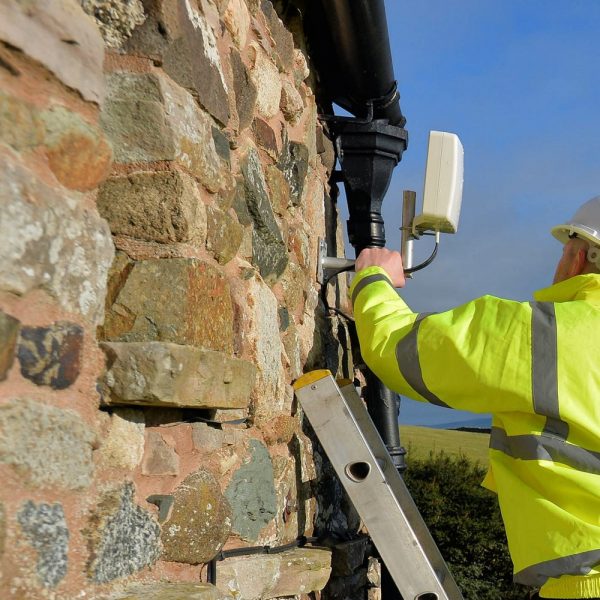
Over the past few years’ we’ve covered a number of examples where Openreach (BT) have deployed teams of UK drone operators to help deploy their 1.8Gbps speed Fibre-to-the-Premises (FTTP) broadband network. But in today’s case, ISP Zen Internet has documented a rather unique home installation, where airborne drones came in handy.





















Latest UK ISP News
Cheapest ISPs for 100Mbps+

Large Availability | View All
Helpful ISP Guides and Tips
Promotion
The Top 15 Category Tags
- FTTP (5510)
- BT (3513)
- Politics (2535)
- Openreach (2296)
- Business (2260)
- Building Digital UK (2243)
- FTTC (2042)
- Mobile Broadband (1972)
- Statistics (1787)
- 4G (1663)
- Virgin Media (1618)
- Ofcom Regulation (1459)
- Fibre Optic (1393)
- Wireless Internet (1389)
- FTTH (1381)
Latest Interviews




Sponsored
Copyright © 1999 to Present - ISPreview.co.uk - All Rights Reserved - Terms , Privacy and Cookie Policy , Links , Website Rules , Contact